-
 Play therapists often believe that they are lost in understanding the play and perspective of children in the play therapy process. This limitation leads to doubts about how to respond to children and how to conceptualize what is happening in play therapy. Through discovering themes of children and their play, a play therapist can empathically respond to the individual nature of each child client, leading to greater understanding in the therapeutic relationship. This webinar will offer the process for identification of themes, understanding the progression of theme resolution, and ways in which the play therapist can respond more accurately within session. Therapists will walk away knowing the typical themes that emerge in play therapy and a process by which they can learn to be more empathically attuned to their clients.
 -
 Parents are a powerful force in a child’s life. Inviting them into the play therapy process is essential for creating lasting change. But let’s face it—this isn’t always easy! Many clinicians, both new and seasoned, struggle with how to effectively involve parents in therapy sessions. This dynamic course with Clair Mellenthin, LCSW, RPT-S, will equip you with the skills and confidence to build strong alliances with parents while integrating them into play therapy. Using the Attachment-Centered Play Therapy model, you’ll explore the hows, whys, whens, and what-to-dos of parent-child play therapy. You’ll also uncover practical interventions to foster attachment and connection while reflecting on the roadblocks that might arise in your own practice. It’s all designed to help you deepen your understanding of parent-child dynamics, empowering you to create meaningful change for families. Get ready to play, reflect, and transform your approach to parent involvement in therapy!
 -
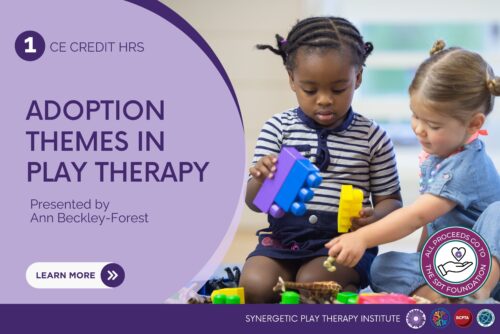 While adoption is often seen as the solution to the problem of child maltreatment, the disruption of primary attachments is also a risk factor for children after placement. Play therapists can play an important role in recognizing the impact of these attachment wounds as well as themes of belonging and identity formation that become increasingly pressing for children as they grow up in adoptive families, foster families, and kinship adoption. In this session we will look at a prescriptive play therapy approach to this work including the themes that can emerge in the child’s play, approaching the traumatic history of disruption and placement through the attachment narratives, and how to support the adoptive parents in adjusting their expectations and strategies. Of special note will be the important considerations related to race, ethnicity, and culture that often impact the adoption kinship network and ways to invite those themes in the play therapy process.
 -
 Helping a child heal involves helping them be themselves. One of the best ways to foster this type of environment is to cultivate safety. The therapist knowing the playroom is safe is not enough; the child must know it, too. This course explores what a neuroception of safety is and how to create it within the child and yourself.
 -
 From the dad with doubts to the mom with mixed emotions, not all parents are sold on the idea of play therapy. The resistant parent is a parent who may have questions, shame, or confusion about the process. This course explores how to encourage parental understanding of the power of play and why it’s a key step in helping children heal.
 -
 Every therapist has been there – in a session with a child who doesn’t want to come in the room, a child who doesn’t want to do the task, a child who only wants to avoid the issue. This course explores what to do when a child client’s language and behavior say “no.” Join us as we explore resistance- what it is and what it is not. This course will further explore emotional avoidance and flooding as components of resistant behaviors.
 -
 In today’s digital era, children’s play has expanded into new realms, where they engage, connect, and communicate in transformative ways. To support young clients effectively, play therapists must understand and embrace the evolving world of digital play. This insightful course with Dr. Rachel Altvater explores how the digital landscape shapes children’s engagement, self-expression, and identity. Starting with a reflection on your own perspectives about digital native culture, you’ll dive into how digital environments influence children and adolescents, equipping you to meet them where they are. Through practical strategies, you’ll learn to connect with clients in their digital spaces, foster meaningful therapeutic relationships, and seamlessly integrate digital tools into your play therapy practice. The session also examines the vital role of digital identity, uncovering how this space serves as more than entertainment—it’s where young clients form relationships, build resilience and navigate their world. By the end of this course, you’ll walk away with fresh insights and actionable techniques to strengthen the therapeutic alliance, deepen connections, and achieve meaningful outcomes with the digital natives you serve.
 -
 Sibling rivalry is a common phenomenon in family systems and thus a common reason siblings are brought to play therapy! Have you ever wondered how to support siblings in play therapy? Do you work with them individually, together or with the entire family system? Do you take a non-directive or directive approach? When they are in the room together, what exactly do you do? This webinar will answer these questions and more! You will walk away with a better understanding of how best to support siblings in play therapy, along with creative ideas as to what to do when they are in the room together!
 -
 The Synergetic Play Therapy Institute® in collaboration with PIP Solutions presents “Working with Adopted Children in Play Therapy”. Many adopted children have unique challenges which present in different ways in the playroom. Play Therapists can often feel unsure but are aware of the importance of responding through a different lens. In this course, there will be an emphasis on the importance of working with the child’s neuro-biological processes such as regulation and dys-regulation, as well as the importance of educating and working with the child’s adoptive parents.
 -
 Some children don’t cling. They don’t protest. They appear independent, self-contained, even unaffected. Yet beneath that independence often lives profound shame and a deep fear of rejection. Children with avoidant or dismissive attachment patterns learned early that needing others was unsafe. In the playroom, this can show up as distance, compliance, control, or emotional flatness within the therapeutic relationship. This one-hour home study course, drawing from the principles of Synergetic Play Therapy, will examine the neurobiological and relational foundations of avoidant attachment and explore how to work effectively with these children — not by forcing connection, but by creating the conditions for internal secure attachment to develop. Because when we hold steady, children begin to discover that they can hold themselves. For course details including cost, learning objectives, and CE Credit Hours, keep scrolling!
 -
 "The neuroscience behind this training will blow your mind!" - Keri Sawyer "I used to struggle with explaining how play therapy "works" to fathers who were more "left brain" (e.g., Lawyers, accountants, Google employees, etc). But that's not an issue for me anymore. Lisa taught me how to work with resistant fathers so they can confidently "buy" into the play therapy process!" - Susan Stutzman
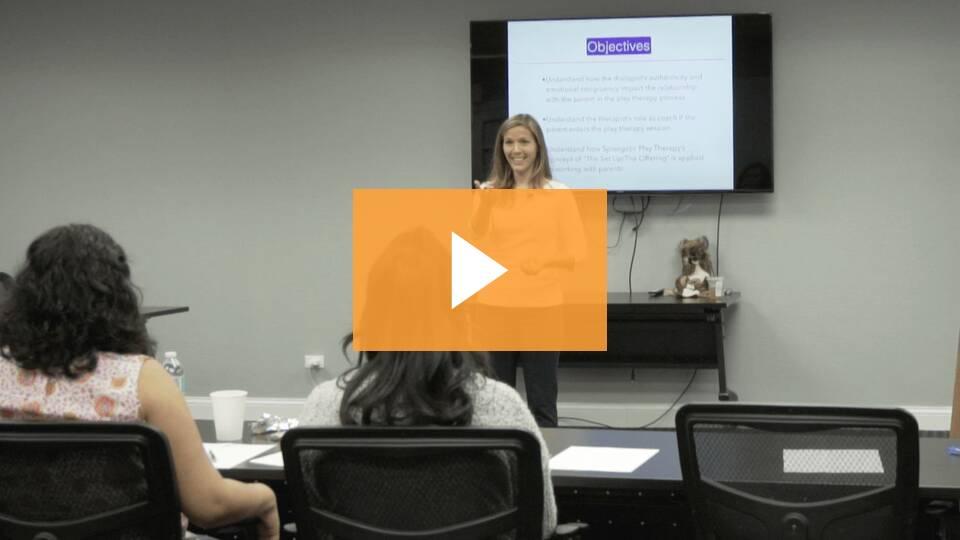
In this thought-provoking yet practical workshop, participants will explore what it really takes to partner with parents. They will have the opportunity to understand how to have a successful intake session setting the stage for a higher level of investment and commitment, how to communicate to parents so that they understand what play therapy is and how it works, how to translate what is happening in the playroom so that parents understand how the goals are being worked on, what to do with resistant parents and what to do when parents just want to drop their child off to be "fixed".
Through new skills, insights and a framework rooted in relationship theory, therapists are guaranteed to leave feeling inspired to work with parents.
This course helps play therapists strengthen their work with parents so they can:
- Get More Clients
- Understand the Parent's Brain
- Be More Authentic with Parents
- Have Successful Parent Intakes
- Level-Up Their Parent Coaching Skills
 Please see course details below. For a list of all available products, please go here.